
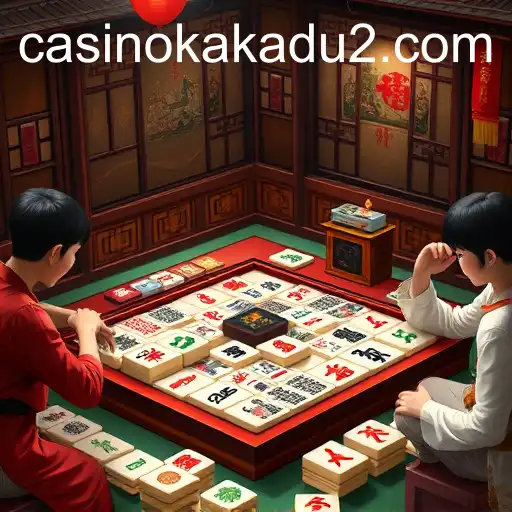
Understanding the Origins of Mahjong
Mahjong is much more than a game; it is a deeply rooted cultural tradition with origins in ancient China. Initially believed to have been created during the Qing Dynasty, Mahjong has evolved into an intricate game that serves as a social activity, a symbol of wisdom, and a representation of Chinese heritage. The game's initial association with the elite and aristocrats gradually opened up to various social classes, making it a household name across the globe.
The Rules and Mechanics of Mahjong
While the game comes with numerous variations, the standard Mahjong set consists of 144 tiles based on Chinese characters and symbols, including sticks, circles, and characters. The primary objective for each player is to build a winning hand of 14 tiles, achieved through picking and discarding tiles in turns. Winning involves forming four sets and a pair, which could be in specific forms like 'Pong' (three identical tiles) or 'Chow' (a sequence of numerical tiles).
Importance of Strategy
Strategy plays a crucial role in Mahjong. Players need to balance between building their own hands and sabotaging their opponents’ hands. Understanding the flow of the game, predicting opponents' moves, and maintaining a tactical approach are essential for success. Experienced players often develop sharp skills in concentration and foresight, akin to what is seen in Western games like chess.
The Cultural Impact of Mahjong
Mahjong is more than a game; it is a cultural phenomenon deeply interwoven with Chinese social life. Traditionally played during family gatherings, especially during celebrations like the Chinese New Year, Mahjong serves to strengthen familial bonds. The game is often accompanied by stories, chatter, and laughter, reflecting its role in promoting social interaction and joy.
Mahjong in Modern Gaming
With advancements in technology, Mahjong has seamlessly transitioned into the digital age. Platforms such as vip777.bet have revolutionized how enthusiasts engage with the game. These online platforms have enhanced accessibility, allowing players from different parts of the world to connect and compete by simply logging in. Digital versions of Mahjong often introduce various game modes, competitive rankings, and special events, catering to both traditionalists and modern gamers.
Through online portals like vip777.bet, Mahjong has reached a broader audience, sparking new interest among younger generations who may have otherwise been detached from this traditional game. These platforms provide space for both seasoned players and beginners, offering tutorials and community forums where enthusiasts exchange strategies and tips.
Variants of Mahjong
Mahjong has diversified into several variations, each with its own set of rules and tiles. Among the popular versions are the Cantonese, Japanese ‘Riichi,’ and American Mahjong, each introducing unique elements that appeal to different playing styles. Online platforms ensure that these variations are readily available with a click, enabling players to experience the rich diversity within the game.
Mahjong Tournaments and Competitions
The competitive aspect of Mahjong is encapsulated in tournaments hosted worldwide, including those promoted on platforms like vip777.bet. Such events attract players with different expertise levels, turning Mahjong into a highly competitive sport. Professional players often have the opportunity to showcase their skills on global esports stages, demonstrating the evolution of Mahjong from a local pastime to an internationally recognized game.
Concluding Thoughts on Mahjong’s Timeless Appeal
Mahjong continues to enchant and engage audiences around the world with its perfect balance of strategy, skill, and social interaction. Its adaptability to modern digital platforms like vip777.bet ensures that it remains relevant, bridging the gap between historical tradition and contemporary entertainment. Whether played around a table in a family setting or on a virtual platform against international competitors, Mahjong maintains an enduring appeal that transcends cultural and generational boundaries.